Kratom, a tropical tree native to Southeast Asia, has garnered significant attention in recent years for its psychoactive properties and potential health benefits. Kratom farming can lead to deforestation, soil degradation, and biodiversity loss, raising alarms among environmentalists and policymakers alike. One of the most pressing environmental issues associated with kratom farming is deforestation. As farmers clear land to grow kratom, they often cut down large areas of rainforest, which are crucial for maintaining ecological balance. Rainforests are rich in biodiversity and serve as habitats for countless species of flora and fauna. When these areas are cleared, the delicate ecosystems are disrupted, leading to the loss of plant and animal species that may be endemic to those regions. This loss of biodiversity not only affects the environment but also the livelihoods of local communities that rely on these ecosystems for their sustenance and economic activities. Moreover, deforestation contributes to climate change by releasing carbon dioxide stored in trees into the atmosphere.

The removal of trees also diminishes the land’s ability to absorb carbon, further exacerbating global warming. As kratom continues to gain popularity, the pressure to expand cultivation areas increases, potentially leading to more extensive deforestation and environmental degradation. In addition to deforestation, kratom farming can result in soil degradation. The monoculture practices often employed by kratom farmers, where a single crop is grown repeatedly on the same land, can strip the soil of essential nutrients. This practice makes the soil less fertile over time, necessitating the use of chemical fertilizers to maintain crop yields. The runoff from these fertilizers can contaminate nearby waterways, leading to water quality issues that affect both aquatic life and human populations that rely on these water sources for drinking and irrigation. Furthermore, the use of pesticides and herbicides in kratom farming can have detrimental effects on local ecosystems. The impact of these chemicals can be far-reaching, leading to a decline in pollinator populations that are essential for the health of various crops and wild plants.
Local communities that engage in kratom farming may find themselves in a precarious situation. While beginner’s guide to kratom can provide a source of income, the environmental consequences of its cultivation can threaten their long-term sustainability. As forests are cleared and soils are depleted, these communities may face challenges in securing their livelihoods, leading to cycles of poverty and environmental degradation. To mitigate the environmental impact of kratom farming, sustainable agricultural practices must be promoted. Agroforestry, which integrates tree planting with crop production, can help maintain biodiversity while allowing farmers to continue cultivating kratom. Encouraging the use of organic farming techniques can reduce reliance on chemical fertilizers and pesticides, leading to healthier ecosystems and improved soil quality. Additionally, greater awareness of the environmental consequences of kratom farming can lead to responsible consumer choices. Consumers can support products sourced from sustainable farms, thereby encouraging practices that protect the environment. In conclusion, while kratom farming provides economic opportunities for many, it is essential to recognize its environmental implications.




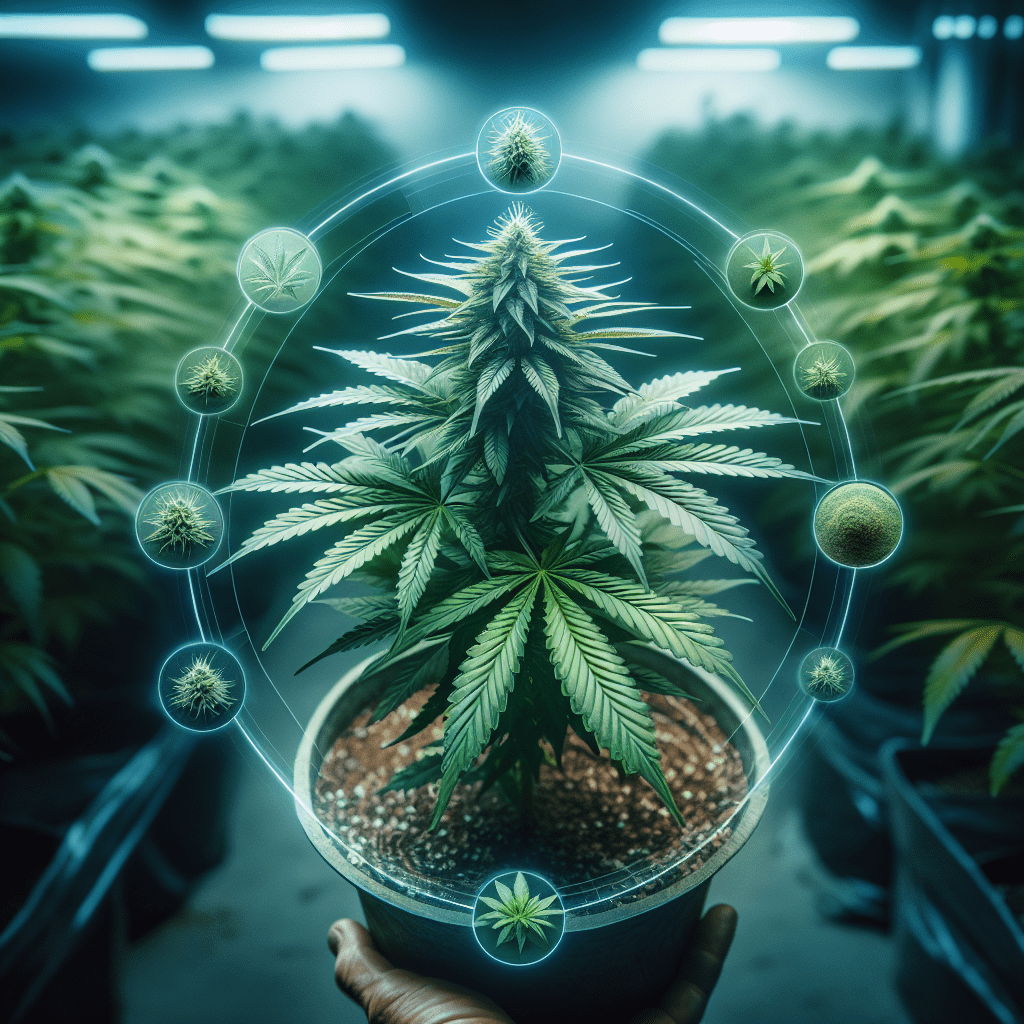 Scientific studies have begun to explore the potential benefits of THCA, revealing its anti-inflammatory, neuroprotective, and anti-emetic properties. Preliminary research indicates that THCA may be effective in reducing inflammation, making it a promising option for individuals with conditions like arthritis or Crohn’s disease. Moreover, its neuroprotective properties may hold potential for neurodegenerative diseases such as Alzheimer’s and Parkinson’s, as early studies suggest that THCA can help protect brain cells from damage. Additionally, THCA has shown promise in combating nausea and vomiting, particularly in patients undergoing chemotherapy, making it a valuable alternative for those seeking relief without the psychoactive effects of THC. The integration of THCA flower into modern healing practices is also reflected in the increasing number of dispensaries and wellness centers offering cannabis products tailored to health-conscious consumers. As patients and practitioners alike recognize the therapeutic potential of THCA, many are turning to it as a natural remedy for various ailments. This shift is indicative of a broader trend in healthcare that emphasizes patient-centered approaches and the importance of individual choice in treatment options.
 This plan may include a combination of treatments to address various issues, from alignment corrections with orthodontics to the restoration of worn-out teeth with bonding or crowns. Your