
Meth-lab cleanup isn’t “deep cleaning.” It’s hazardous materials remediation with legal exposure attached.
If that sounds dramatic, good. It should. The residues left behind aren’t just gross, they can be chemically active, easily spread, and stubbornly persistent in places nobody thinks about until the test results come back ugly.
One more thing before we get technical: a fresh coat of paint is not remediation. It’s denial with a roller.
Hot take: if you can smell it, you’ve already lost control of the job
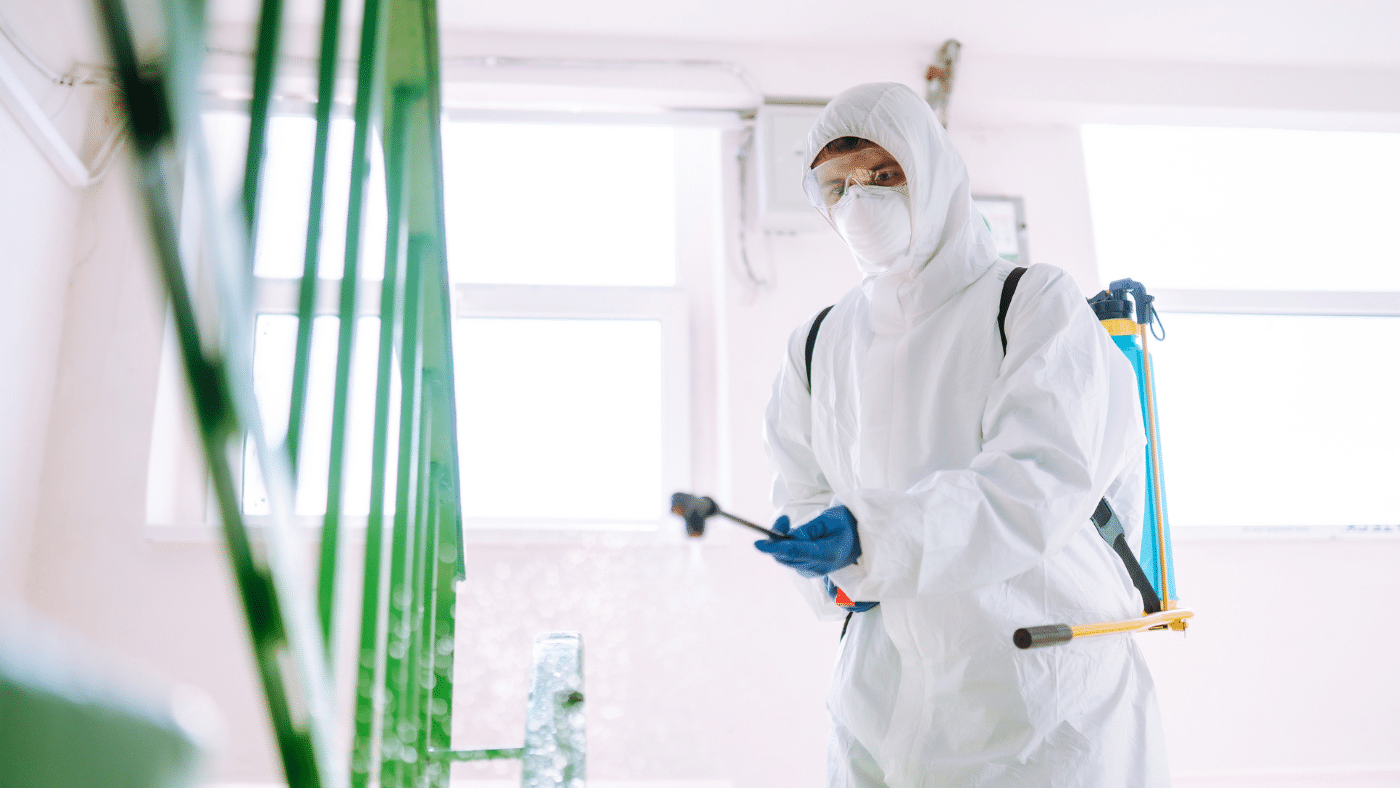
Here’s the thing, odor is information. It often means volatile compounds are off‑gassing, or residues are sitting in porous materials (drywall, insulation, subfloor, soft furnishings) where “wipe it down” doesn’t reach.
In my experience, the biggest failures happen early: someone walks in without a plan, stirs up dust, runs a fan, and unknowingly distributes contamination into clean zones, HVAC returns, and personal vehicles. Now you’re not cleaning a room. You’re chasing a plume. In cases like this, bringing in professionals for meth lab cleanup in Minneapolis can make the difference between true remediation and spreading the problem further.
One-line reality check:
You don’t “tidy up” chemical contamination.
What makes meth-lab residues uniquely nasty?
A meth lab isn’t one chemical. It’s a chemical story that changes based on the synthesis method, the skill of the operator, and whatever shortcuts they used.
So what’s left behind?
– Volatile solvents that can evaporate and migrate (then re-condense elsewhere)
– Reactive reagents/byproducts that may be corrosive or unstable
– Residues bound to surfaces (especially semi-porous and porous materials) that don’t come off with household detergents
– Unknown mixtures, which is the part that keeps professionals cautious, unknown means you assume worst-case until data proves otherwise
Some residues don’t just sit there politely. They can sorb into paint films, bind to grime layers, settle into dust, and hitchhike on boots and rags. The risk isn’t only direct contact; it’s inhalation, hand-to-mouth transfer, and cross-contamination.
And yes, I’ve seen “clean-looking” properties fail clearance testing. Visual appearance is a terrible metric.
The workflow isn’t glamorous. It’s formal. (And that’s the point.)
Risk assessment: boring paperwork that prevents expensive mistakes
You start with a structured assessment that answers a few blunt questions:
Where is contamination likely, where is it confirmed, and where could we accidentally spread it?
A proper assessment isn’t just walking around with a flashlight. It covers:
– likely process areas and traffic routes
– surface types (sealed vs porous)
– HVAC layout and pressure relationships between rooms
– exposure routes for workers and future occupants
– regulatory requirements and sampling/clearance criteria
Now, this won’t apply to everyone, but if someone suggests they can “quote it sight unseen,” I’d be skeptical. Unknown site conditions are where budgets and safety plans go to die.
Containment: if you don’t control boundaries, you don’t control anything
Containment is not optional theater. It’s engineering control.
A typical setup includes defined zones, dirty, transition, clean, plus controlled entry/exit and decon procedures. Depending on the scope, you may see:
– physical barriers (poly sheeting systems properly sealed)
– negative pressure with HEPA-filtered exhaust
– decon corridor for personnel and tools
– dedicated waste staging so nothing “accidentally” leaves the hot zone
Look, a crew can be wearing perfect PPE and still fail the job if airflow and boundaries aren’t managed. Contamination loves shortcuts.
Decontamination: chemical remediation, not janitorial cleaning
This is where people get confused. The goal isn’t “clean enough for photos.” It’s reduction of residues to below the action level using validated methods.
That means controlled application of appropriate agents, correct dwell times, and compatible rinse/neutralization steps. The chemistry matters. Some products spread contamination; others fix it in place; some simply don’t work on the relevant residues.
Also: porous materials are their own category of pain. Sometimes remediation means removal. Not because contractors like ripping things out, but because you can’t reliably wipe contamination out of a sponge.
Regular cleaning vs remediation: they’re not cousins
Regular cleaning removes dirt. Remediation manages hazardous residues with:
– controlled handling to prevent aerosolization
– segregated waste streams (labeled, contained, documented)
– worker protection beyond “gloves and a mask”
– verification testing that determines whether the site is legally habitable
If the endpoint is “it looks fine,” that’s cleaning. If the endpoint is “it passes clearance,” you’re in remediation territory.
Licensing and professionals: the unsexy reason it matters
People assume “licensed” is a bureaucratic hoop. Sometimes it is. Here, it’s a competency filter and a liability firewall.
Licensed remediation teams typically bring:
– training in hazardous materials work practices and exposure control
– familiarity with jurisdictional requirements (which can vary a lot)
– documentation discipline: logs, chain-of-custody, incident reporting
– proper PPE programs (including fit-testing and cartridge change-out logic)
– waste handling that won’t come back as a regulatory or insurance nightmare later
Opinionated but true: if your contractor can’t explain their documentation and clearance pathway in plain language, you’re buying stress.
Verification and clearance: the part that decides reoccupancy
Cleanup isn’t “done” when the crew packs up. It’s done when testing and inspection support reoccupancy under the relevant standard or protocol.
Clearance usually includes targeted sampling (often swab sampling of defined locations) and a defensible comparison against an action level. Chain-of-custody matters because these results can end up in insurance files, real estate disclosures, or court.
A specific data point, because people ask: a commonly referenced guideline is the Australian Clandestine Drug Laboratory Remediation Guidelines, which set a surface contamination threshold for methamphetamine of 0.5 µg/100 cm² for many residential scenarios (Australian Government Department of Health, Clandestine Drug Laboratory Remediation Guidelines). Different jurisdictions use different thresholds, but the concept is the same: numbers decide, not vibes.
If results fail, remediation continues. If results pass, clearance documentation is issued, often with notes about any remaining limitations (HVAC follow-up, reconstruction requirements, or monitoring).
The DIY pitfalls I see over and over
Sometimes people don’t DIY the whole thing, they DIY just enough to make it worse.
Common misses:
– Poor sampling logic: not enough locations, wrong locations, no rationale
– Porous materials ignored: carpets, soft furniture, insulation, unsealed wood
– PPE theater: wrong respirator type, no fit test, reused filters, contaminated don/doff areas
– No real decon corridor: tools and boots walk contamination into clean spaces
– Ventilation guesses: “it feels airy” is not an airflow measurement
– Bad chemistry: wrong agent, wrong dilution, wrong dwell time, no rinse strategy
– Documentation gaps: no chain-of-custody, no logs, unclear clearance basis
And the sneakiest one: people forget the HVAC system is basically a distribution network.
Picking a qualified contractor (questions I’d personally ask)
You don’t need to interrogate them like a detective, but you do need clarity.
Ask things like:
– What specific licenses/certifications apply in this jurisdiction, and can you show them?
– How will you set containment (negative pressure? barriers? zoning plan)?
– What’s your sampling plan before, during, and after remediation?
– Who performs clearance testing, your team or an independent third party?
– How do you handle porous materials: clean, encapsulate, or remove (and why)?
– What insurance do you carry, general liability, pollution liability, workers’ comp?
– What will your final report include (photos, logs, waste manifests, lab results, clearance statement)?
If the answers are hand-wavy, you’re not looking at a remediation contractor. You’re looking at a cleaning company auditioning for a role they shouldn’t take.
The deciding factor: “defensible” beats “done”
Meth lab decontamination is one of those jobs where competence shows up in planning, containment discipline, and verification, then in the paper trail afterward.
When it’s handled correctly, the result isn’t just a cleaner property. It’s a property you can justify reoccupying to a regulator, an insurer, a buyer, and your own conscience.