
Electrical systems benefit from protection methods designed to address different types of electrical stress. Two important approaches are overload protection and surge protection. Although both support safer and more dependable operation, they respond to different conditions. Understanding the difference between them makes it easier to recognize how each method contributes to a well-planned electrical system. The topic of https://lsp.global/overload-protection-vs-surge-protection/ provides useful context for understanding these complementary protection approaches.
Understanding Overload Protection
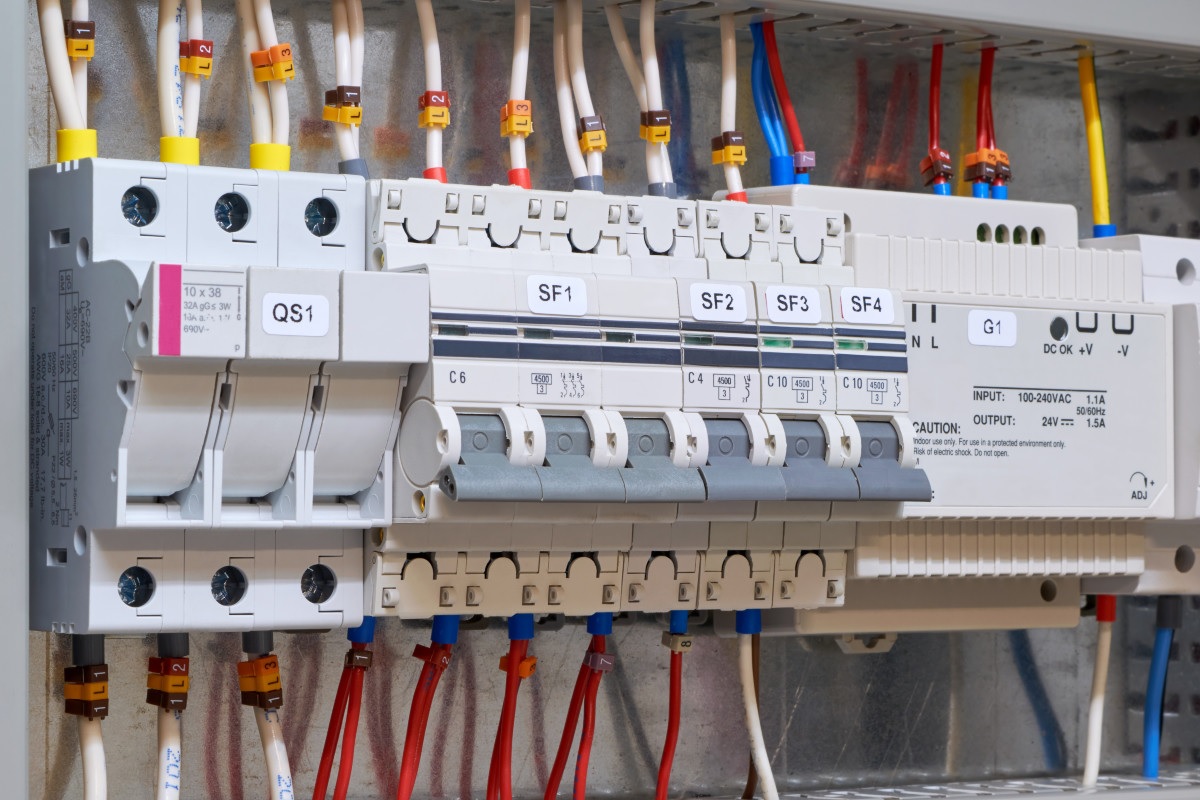
Overload protection focuses primarily on excessive current flowing through an electrical circuit. When equipment draws more current than a circuit is designed to carry for an extended period, conductors and components can experience unwanted heating. Protective devices such as circuit breakers and fuses are designed to respond to these conditions by interrupting the circuit when current exceeds appropriate limits.
Important benefits of overload protection include:
- Helps control excessive current within circuits
- Supports safer operation of electrical conductors
- Reduces stress caused by sustained overcurrent
- Helps protect equipment connected to the circuit
- Contributes to organized and dependable electrical distribution
Exploring Surge Protection
Surge protection addresses a different electrical event: short-duration increases in voltage. These transient overvoltages can result from lightning activity, switching operations, or other electrical events. A surge protective device works by limiting the transient voltage and diverting excess surge energy away from sensitive equipment.
Surge protection can provide several practical advantages:
- Helps limit sudden voltage spikes
- Supports sensitive electronic equipment
- Reduces stress caused by transient events
- Helps maintain reliable system operation
- Complements other electrical protection measures
How The Two Approaches Work Together
Overload protection and surge protection should be viewed as complementary parts of an electrical protection strategy rather than interchangeable solutions. Overload protection responds to excessive current that persists long enough to require circuit interruption, while surge protection responds extremely quickly to transient voltage conditions.
A thoughtfully designed system can therefore combine both approaches to address different electrical conditions. This layered perspective helps provide protection across normal operation, sustained current increases, and sudden voltage disturbances.
Building A More Reliable Protection Strategy
Good electrical planning considers the characteristics of the circuit, connected equipment, expected electrical environment, and applicable installation requirements. Selecting suitable protective devices and coordinating them correctly can create a structured approach to electrical safety and equipment reliability.
By recognizing what each protection method is designed to handle, electrical planning becomes clearer and more effective. Overload protection manages excessive current, while surge protection manages transient voltage events. Together, these approaches create a broader foundation for dependable electrical system protection.